Introduction to the AI Executive Order
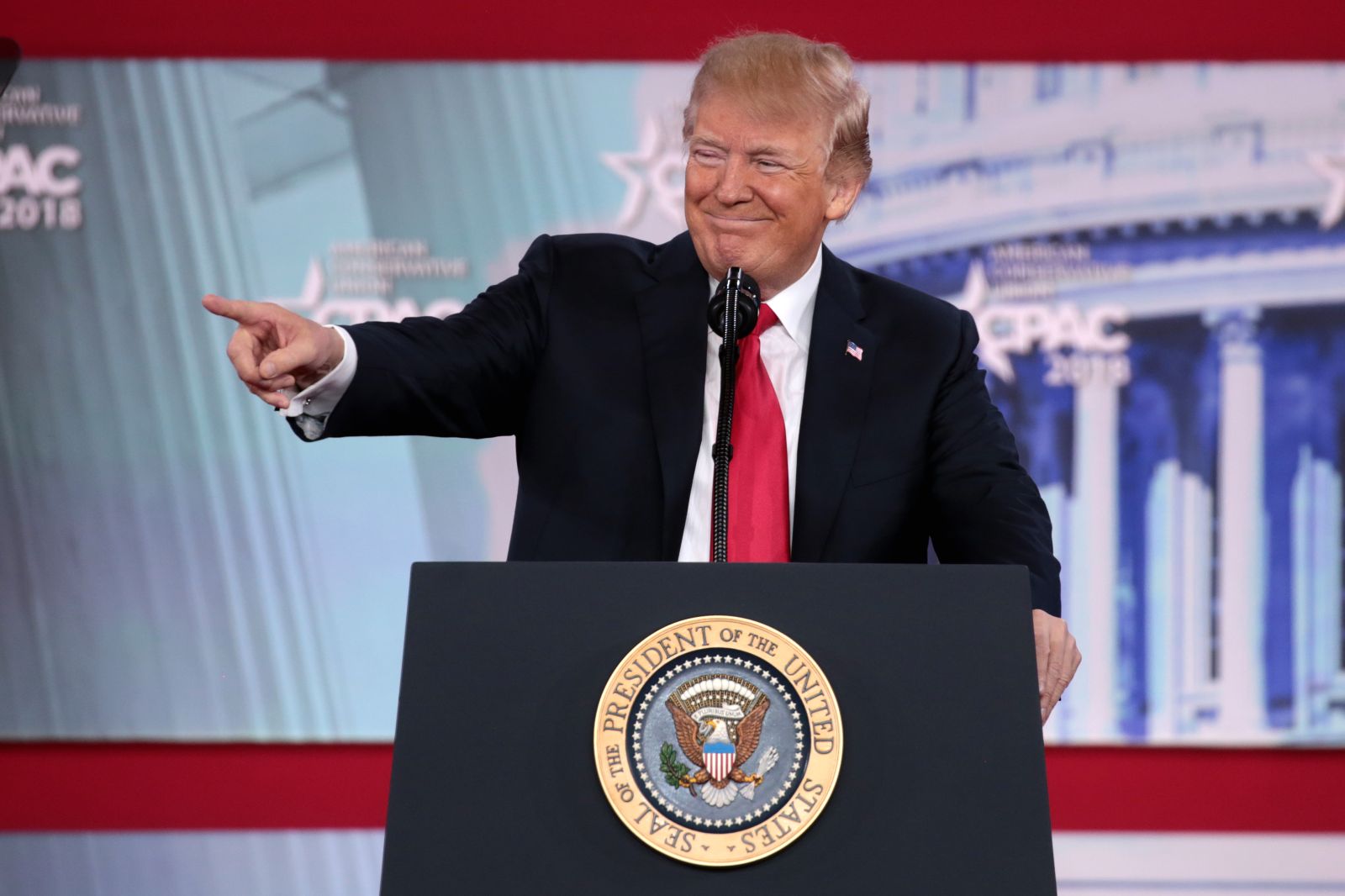
In a move aimed at reshaping the American tech landscape, President Trump has promised to sign a new AI executive order specifically designed to block state-level regulations. Taking to Truth Social, the President criticized the current regulatory environment as a "patchwork" of state laws, arguing that conflicting rules across the country are hindering the United States' ability to compete globally in artificial intelligence.
This announcement marks a significant victory for the tech industry and lobbying groups that have been advocating for deregulation, fearing that a fragmented legal landscape could stifle innovation and burden companies with compliance costs.
Context: A Patchwork of State Laws
Due to a lack of comprehensive federal AI legislation, individual states have stepped in to fill the void. According to the National Conference of State Legislatures, all 50 states introduced AI legislation this year, with 38 states enacting roughly 100 specific laws. These regulations address critical areas such as:
- Mandatory safety testing for AI models.
- Consumer privacy protections.
- Bans on deepfakes that could disrupt elections.
"We are beating ALL COUNTRIES at this point in the race, but that won’t last long if we are going to have 50 States, many of them bad actors, involved in RULES and the APPROVAL PROCESS."
Donald Trump, Truth Social
Deregulation Strategy and Industry Lobbying
The push for this executive order is heavily supported by major industry players. Venture capital firms like Andreessen Horowitz and companies such as OpenAI have aggressively lobbied the White House. They argue that navigating 50 different sets of regulations is particularly harmful to startups and entrepreneurs, threatening the "competitive dynamism" of the American economy.
While final details remain pending, a draft order circulated last month directed the U.S. Attorney General to sue states to overturn their AI laws. It also suggested withholding federal funding, such as broadband grants, from states that refuse to comply with the new federal direction.
The Legal Challenge: Does the President Have Authority?
The President's plan faces significant legal skepticism. Experts and opponents argue that the executive branch lacks the constitutional authority to preempt state legislation—a power typically reserved for Congress.
"The president cannot pre-empt state laws through an executive order, full stop. Pre-emption is a question for Congress, which they have considered and rejected, and should continue to reject."
Travis Hall, Director for State Engagement at the Center for Democracy and Technology
Consumer safety advocates warn that blocking state laws without implementing strong federal replacements would leave the AI industry with virtually no guardrails, potentially endangering the public.
Conclusion
As the Trump administration moves to unwind Biden-era rules and AI export restrictions, the clash between federal deregulation and state-level protection is likely headed for the courts. The outcome will define not just the regulatory framework for AI, but the broader balance of power between state and federal governments regarding technology policy.
FAQ: AI Executive Order and State Laws
What is the main goal of Trump's AI executive order?
The primary goal is to eliminate the "patchwork" of individual state AI laws to create a unified, deregulated environment that ostensibly boosts US competitiveness.
Can an executive order legally block state laws?
Legal experts argue that the President cannot preempt state laws via executive order; that power usually belongs to Congress. The order is expected to face court challenges.
Why do tech companies support this order?
Firms like OpenAI and Andreessen Horowitz argue that complying with 50 different state regulations hurts innovation, especially for startups and entrepreneurs.
What consequences could states face?
Draft versions of the order suggest the federal government might sue states to overturn laws or withhold federal funding, such as broadband grants, from non-compliant states.
Why have states passed their own AI laws?
In the absence of federal regulation, states have enacted laws to ensure safety testing, enhance privacy, and ban election-disrupting deepfakes.